
User Experience
Today’s users expect modern websites to be intuitive to use, responsive on any device, and professionally designed in a way that reflects the care and quality of the brand. Our team of UX designers follow these core principles to ensure your website effortlessly guides users through the customer journey.
of first time visitors will base a website's credibility entirely on their first impression of its design
of production errors can be mitigated when UX teams design and prototype new pages for developers
of users will leave a website that lacks responsiveness across multiple devices
of online shoppers rated 'usability' as the most important design characteristic when online shopping
A user-centric strategy designed to elevate satisfaction and business success.
We take a user-centric, data-driven approach to web design that carefully considers the time and effort required for developers to bring it to life. This balance between usability, aesthetics, and front-end development is what sets our UX services apart.


Usability
A website should be easy to navigate, intuitive, and functional.
Users should be able to accomplish their goals with minimal effort and confusion. This includes clear navigation, fast load times, and mobile-friendliness.
Accessibility
Websites should be designed to accommodate all users, including those with disabilities.
Following WCAG guidelines, providing alt text, keyboard navigation, and high-contrast visuals ensures a more accessible experience.
Desirability
The website should be visually appealing and emotionally engaging.
A well-crafted design, consistent branding, and engaging visuals help create a connection with users, making them want to return.
Credibility
Users need to trust the website; it’s critical to the brand.
Clear and honest information, secure connections (SSL), professional design, and social proof help establish credibility and encourage users to engage confidently.
Improve usability, accessibility, and engagement across platforms.
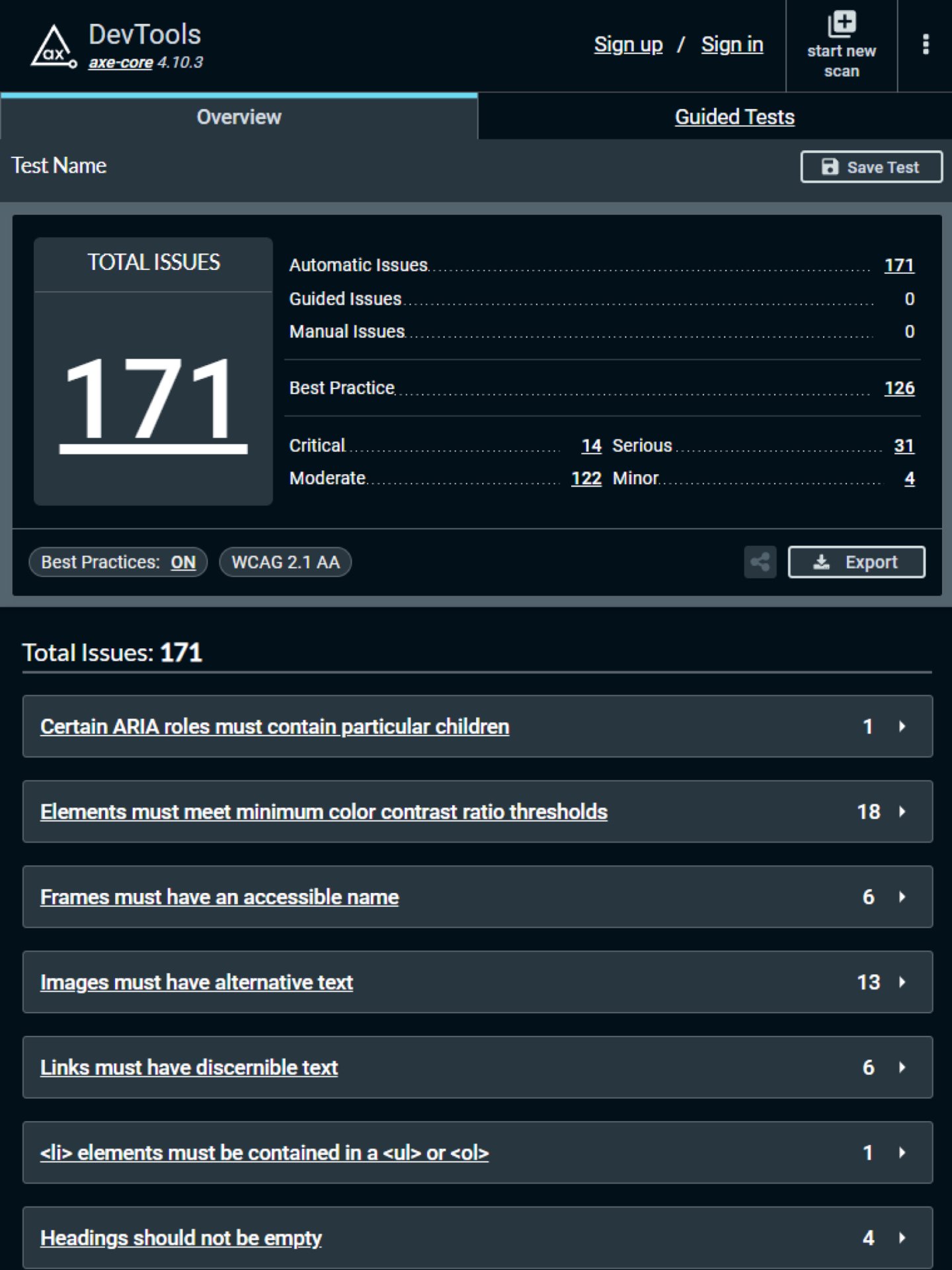
+ UX / Usability Auditing
While AI continues to capture headlines, one truth will always remain: Human-oriented problems require human-focused solutions. Our team of UX experts conduct a hands-on review of your website and benchmark each page against our proprietary library of UX best practices and web accessibility guidelines. We then prioritize the level of effort each benchmark requires to achieve the greatest impact.
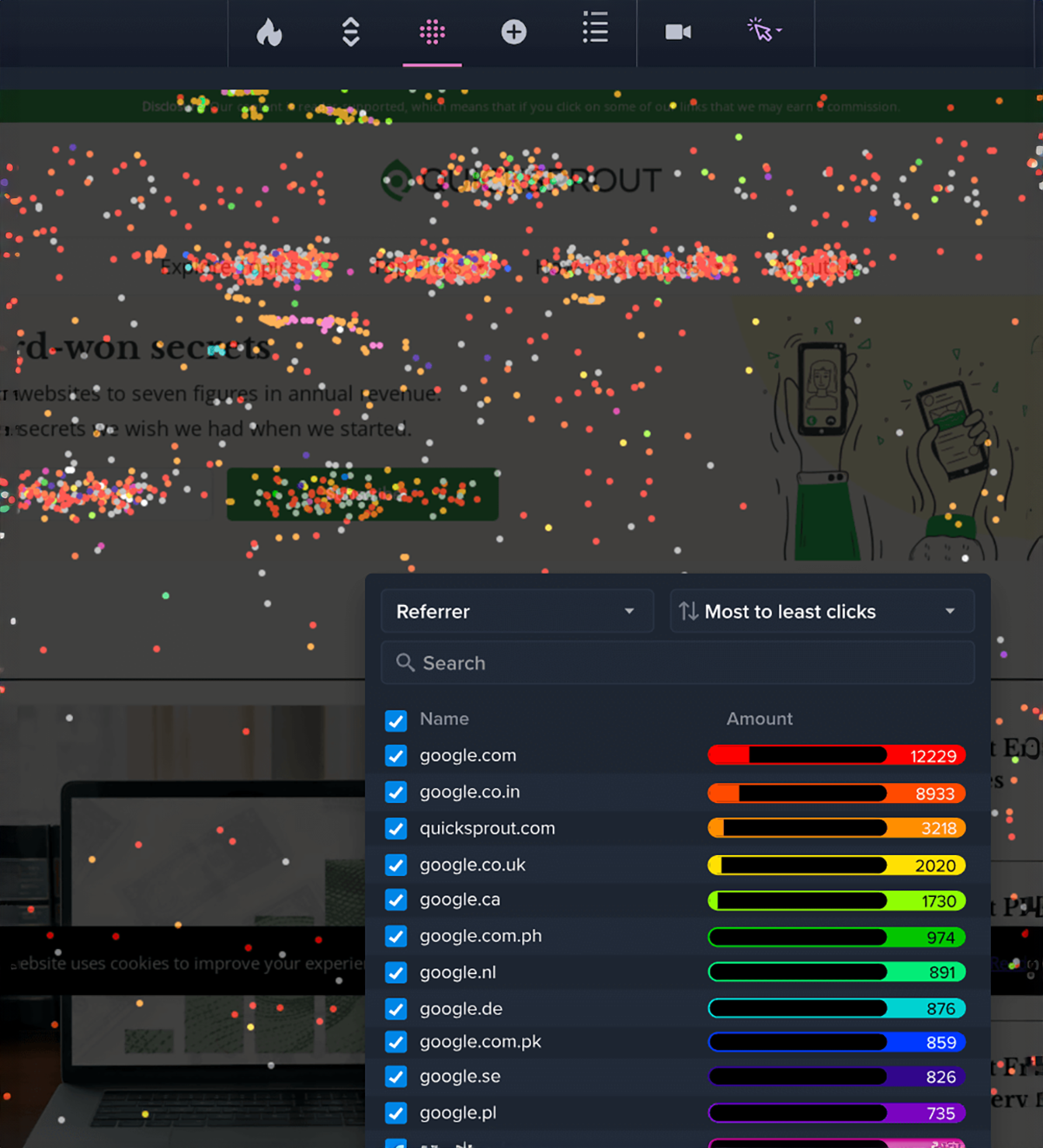
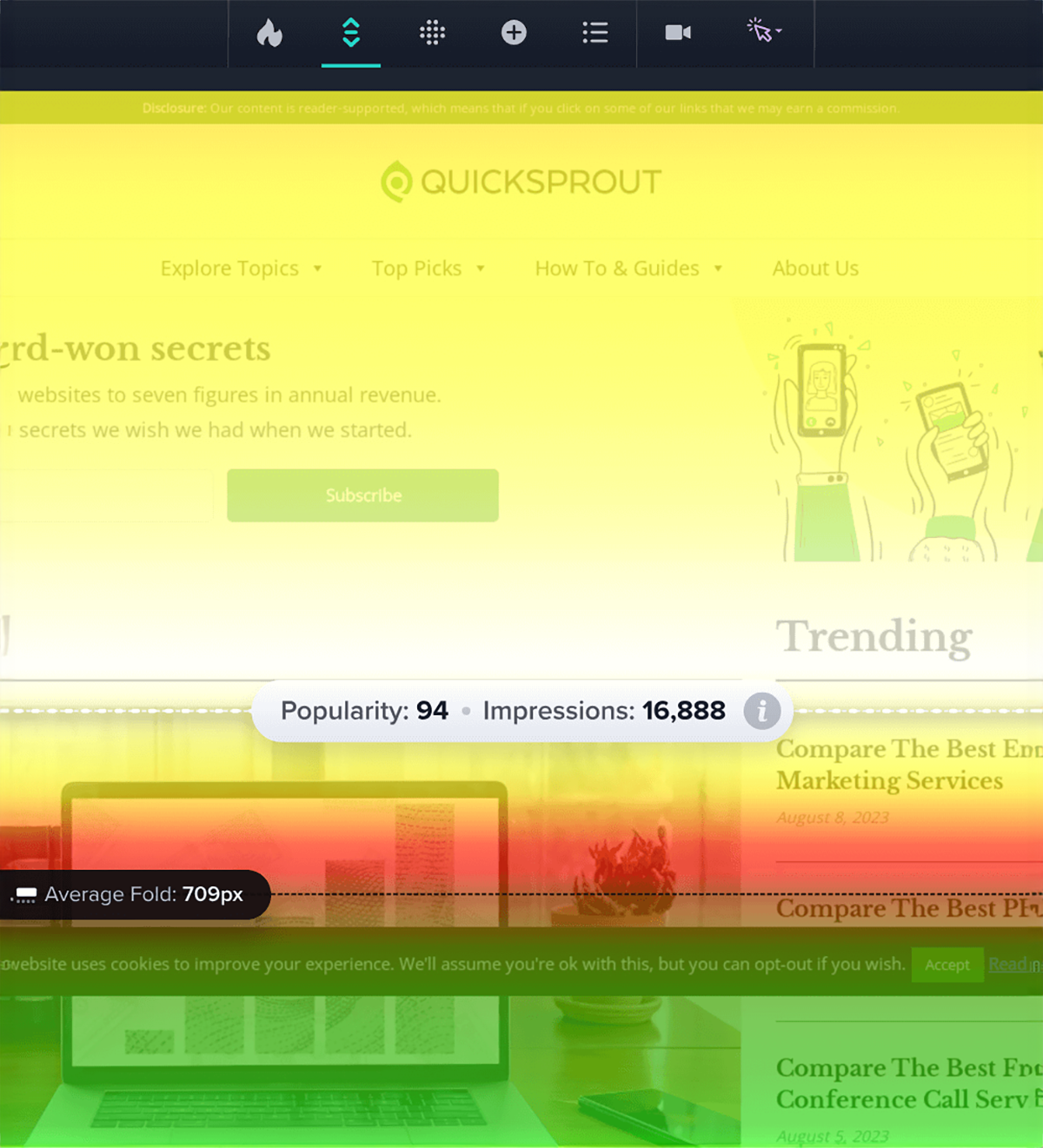
+ User Research & Testing
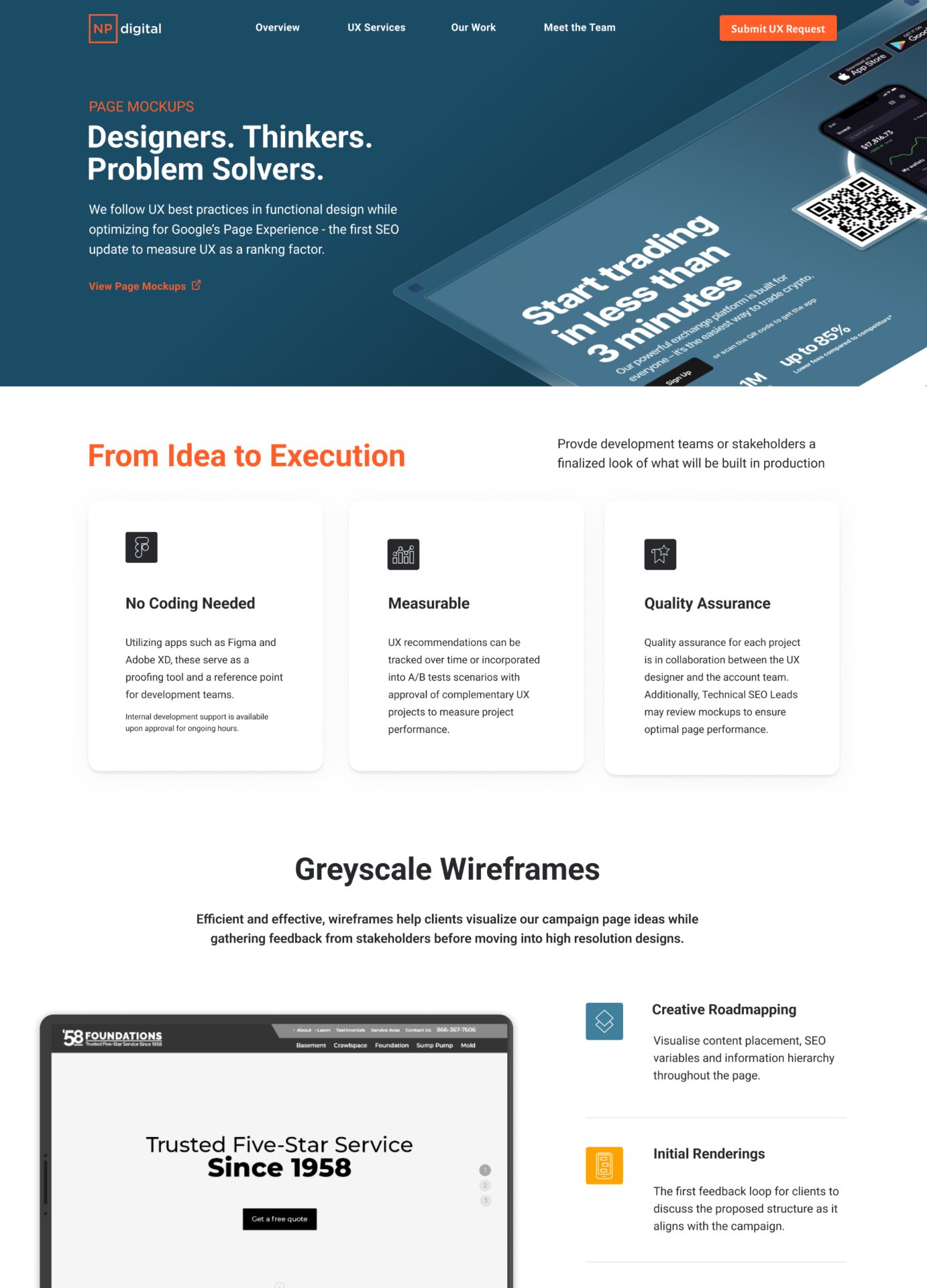
+ Wireframing & Prototyping
Next, we form a hypothesis based on insights from previous data, predicting how the change will impact the goal. We then create two versions and select a target audience. We run tests for a statistically significant period, during which we track user interactions to measure each version’s performance.
After gathering sufficient data, we analyze the results to determine whether the variation produced a significant improvement over the control. Finally, if the variation is successful, it can be implemented permanently, and the process may continue with new tests to further refine the UX.
+ Responsive Design Implementation
A 31% increase in conversions resulting from A/B testing page mockups.
Optimized welcome series increases workflow revenue by 42%.
Optimizing value messaging generates 4.3% lift in transaction rate.





Master the art of user experience design.
Enhance your UX knowledge with our comprehensive learning resources. From beginner basics to advanced techniques, develop the skills to create exceptional user experiences.
Frequently asked questions
Common questions about our UX design services and approach
What is User Experience (UX) optimization?
UX optimization is the process of improving how users interact with your website or application. It involves analyzing user behavior, identifying pain points, and implementing design changes to create more intuitive, accessible, and engaging experiences that ultimately drive better business results.
How long does a UX optimization project take?
UX optimization projects typically take 4-12 weeks depending on scope. A comprehensive UX audit takes 2-3 weeks, while implementing design changes and conducting user testing can take an additional 6-8 weeks. We provide detailed timelines during our initial consultation.
What tools do you use for UX analysis?
We use industry-leading tools including Hotjar for heatmap analysis, Google Analytics for behavior tracking, Figma for prototyping, UserTesting for user feedback, and various accessibility testing tools to ensure comprehensive UX evaluation.