Front End Development
For us, front-end development is where user experience and SEO performance intersect — it’s the visual and interactive layer that not only delights visitors but also satisfies search engines. From intuitive navigation to optimized code structure, great front-end execution ensures your site is fast, responsive, and discoverable. It’s not just about looking good — it’s about performing flawlessly across devices, channels, and ranking systems.
of first impressions are related to website design — a direct product of front-end development
of users abandon a site if it takes more than three seconds to load, impacting both UX and SEO rankings
of marketers agree that technical SEO — including front-end code — is essential to organic performance
of top-performing websites actively optimize for Core Web Vitals and user-centric metrics
A systematic approach to building high-performing websites that drive conversions.
Our frontend development process combines technical excellence with strategic thinking. We create visually stunning, SEO-optimized websites that deliver exceptional user experiences and measurable business results.
SEO Starts at the Front End
Search performance isn’t just about keywords – it’s about how your site is coded and rendered.
We bake SEO into every aspect of development, ensuring structure, speed, and accessibility all align with Google’s best practices.
Speed is Visibility
Fast websites don’t just perform better – they rank better.
We treat page speed and Core Web Vitals as critical components of both UX and SEO, not just optional enhancements.
Structure Drives Scale
Reusable, component-based front ends save time, reduce errors, and support rapid growth.
Whether you’re launching a microsite or a global product rollout, smart code structure ensures future flexibility without sacrificing performance.
Every Interaction Should Earn a Ranking
From menu structures to micro- interactions, everything should support usability and discoverability.
Our code doesn’t just look good — it moves users forward and helps search engines understand context.
Deliverables built for speed, scalability, and search success.


+ Search-Optimized Front-End Codebase
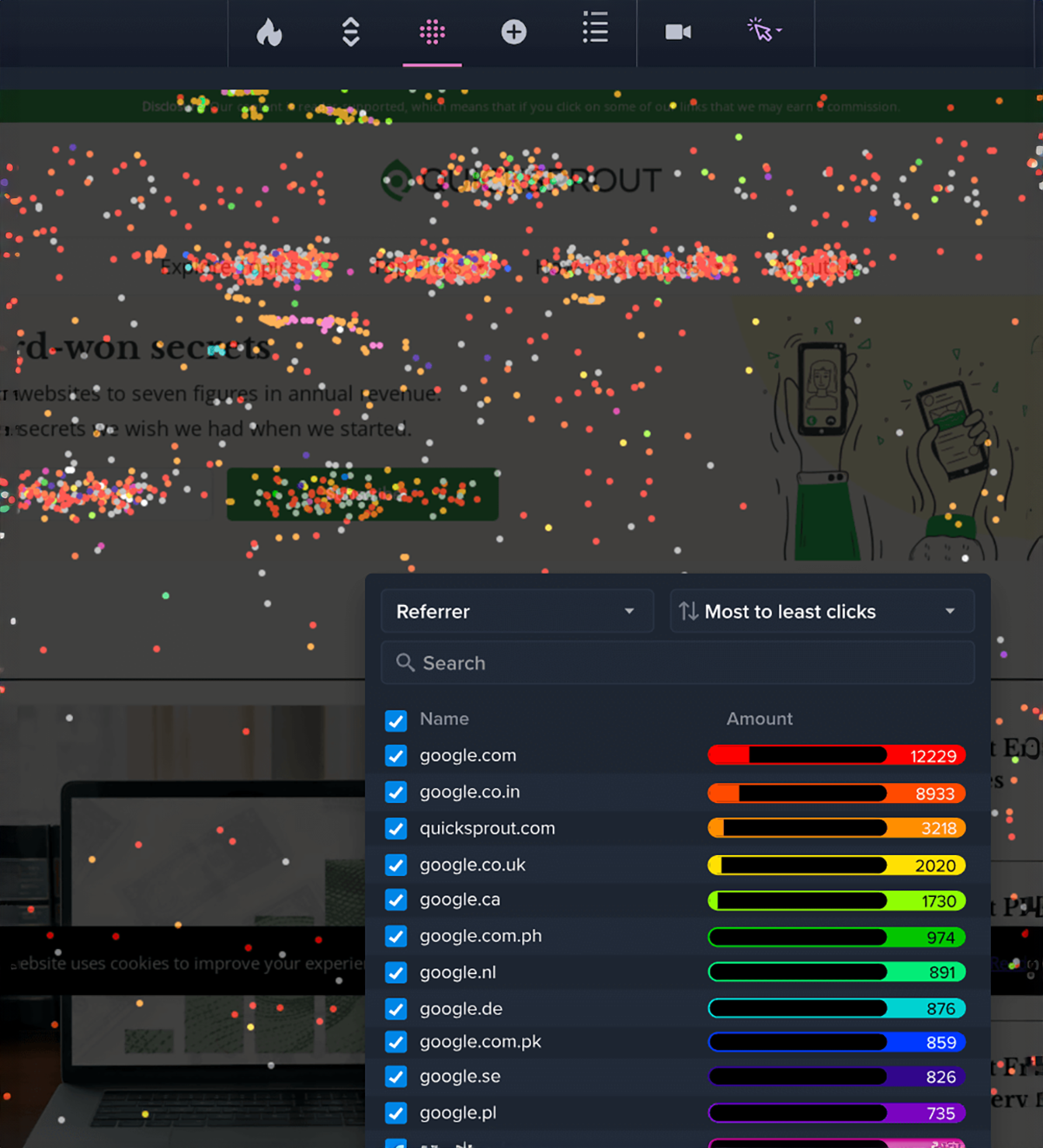
We start with a comprehensive data analysis, examining site metrics to identify where users are dropping off and which pages or elements underperform. Next, we assess user behavior through tools like heatmaps, session recordings, and user surveys, which offer insights into how users interact with the site and where friction occurs. After identifying key pain points, our audit explores potential optimization opportunities, such as redesigning layouts, improving messaging, or enhancing mobile responsiveness.
+ Mobile-Responsive & Core Web Vitals Compliant UI
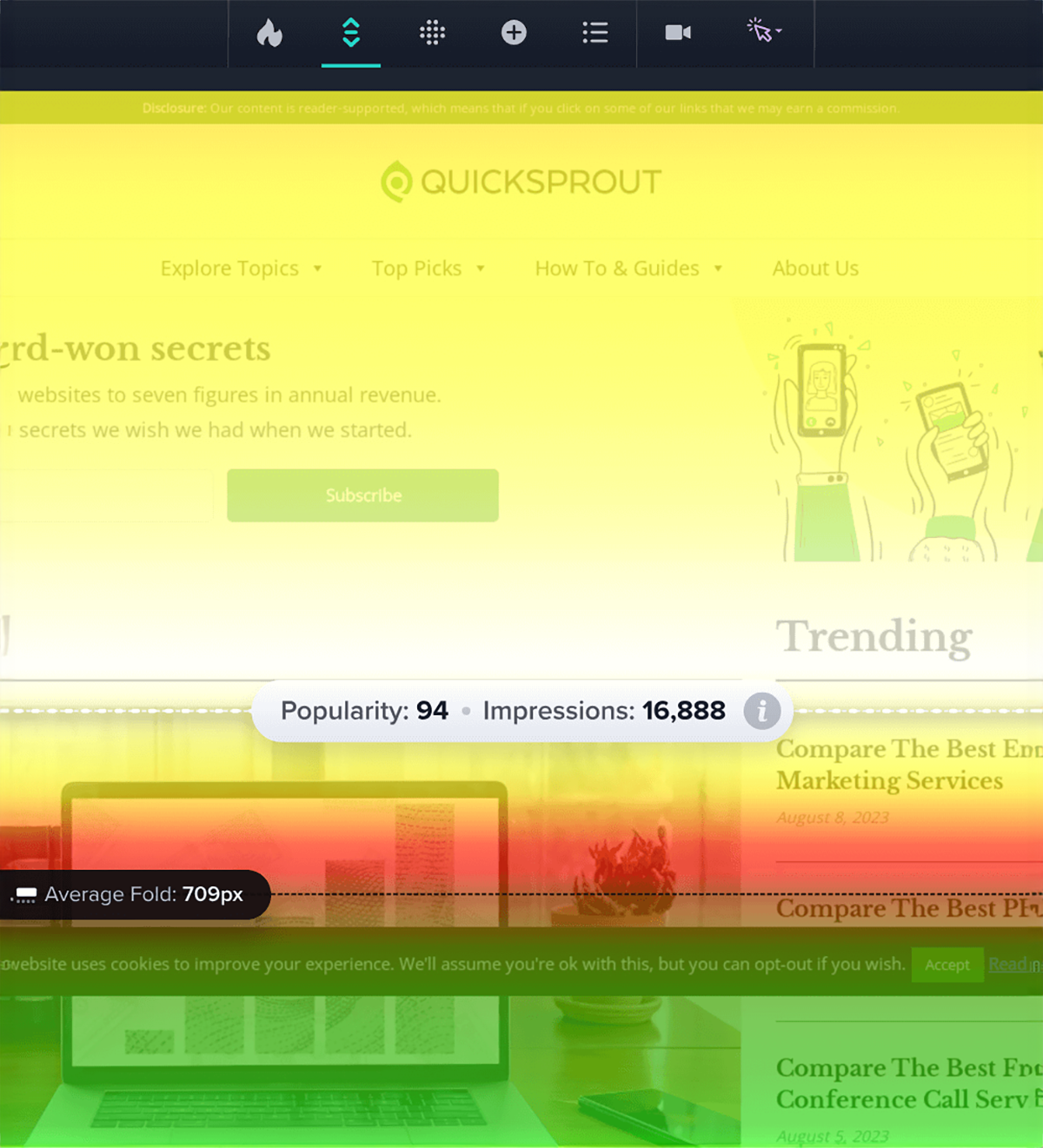
We examine how visitors interact with different elements on each webpage to gain insights into their preferences, pain points, and motivations. This analysis looks at click patterns, scroll depth, time spent on pages, and navigation paths to identify where users engage most or drop off. We leverage heatmaps and session recordings to provide a visual representation of user interactions, while analytics reveals trends in traffic sources, bounce rates, and conversion paths.
+ Structured Data & Schema Setup
We start by defining a clear goal, such as increasing conversions or improving user engagement, and identifying which specific element to test—like a call-to-action, headline, or layout variation.
Next, we form a hypothesis based on insights from previous data, predicting how the change will impact the goal. We then create two versions and select a target audience. We run tests for a statistically significant period, during which we track user interactions to measure each version’s performance.
After gathering sufficient data, we analyze the results to determine whether the variation produced a significant improvement over the control. Finally, if the variation is successful, it can be implemented permanently, and the process may continue with new tests to further refine the UX.
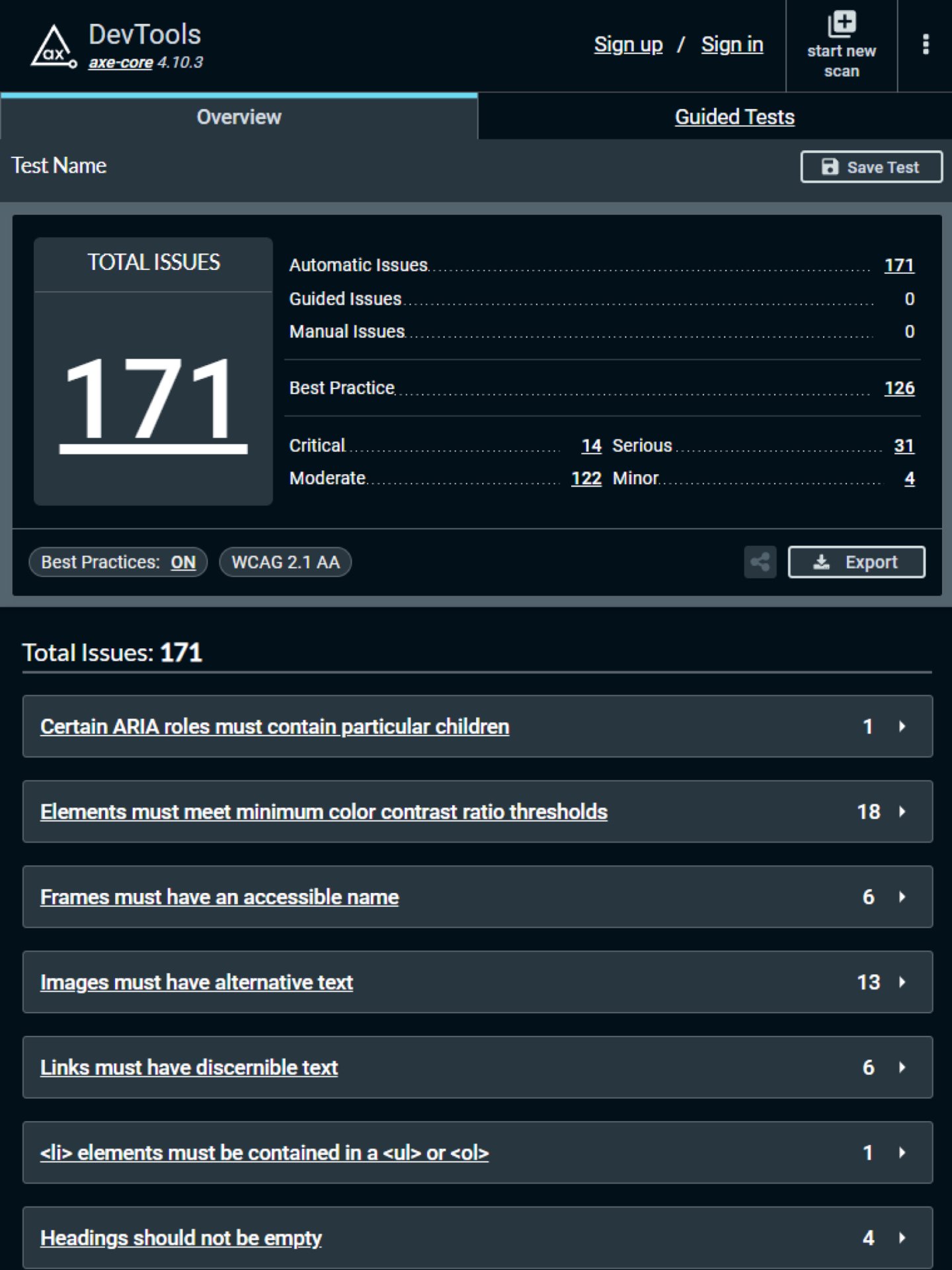
+ Accessibility & SEO Compliance Report
We design optimized landing pages are specifically designed to drive conversions by focusing on clarity, relevance, and simplicity. Our pages feature a clear, compelling headline that communicates value instantly, along with benefit-driven copy that resonates with the target audience’s needs or pain points. Strong visuals, concise messaging, and a single, prominent call-to-action guide users toward the desired action without distractions. These pages also incorporate trust signals, like testimonials, reviews, or badges, to build credibility.
+ Component Library with SEO Integration
We hand off a reusable library of branded components — buttons, headers, cards, FAQs, forms — each coded with accessibility and SEO in mind. Every element is designed for fast implementation and consistent structure. Schema-ready components ensure rich snippet eligibility across your site. You’ll reduce time-to-market while improving consistency and visibility.
+ Ongoing Support & Optimization Sprint Plan
We offer sprint-based support for post-launch enhancements, including A/B testing, performance tuning, Core Web Vitals adjustments, and technical SEO updates. Our team stays hands-on to monitor metrics and refine performance. From quick fixes to major iterations, we help your front end evolve as user needs and SEO standards shift. You’re never left in the dark post-deployment.
Take control over your implementation roadblocks.
Improve your website’s performance by following proven best practices. Our learning center offers in-depth resources and bite-sized content to make you an optimization orchestrator.
Frequently asked questions about our front end development process and capabilities.
How do you ensure our site's front-end code supports both user experience and SEO performance?
We treat front-end development as the intersection of UX and search visibility. We use semantic HTML5, structured schema (JSON-LD), optimized heading hierarchies, and clean metadata—ensuring your site is intuitive for users and efficiently indexed by search engines.
What performance improvements do you guarantee, particularly for Core Web Vitals?
We prioritize Core Web Vitals—Largest Contentful Paint (LCP), First Input Delay (FID), and Cumulative Layout Shift (CLS). Techniques include image compression, minification, lazy loading, and eliminating render-blocking assets. We build sites to meet or beat Google’s performance thresholds, boosting load speed and reducing bounce rates.
Can you deliver consistent mobile experiences without sacrificing speed or design?
Absolutely. We apply a mobile-first philosophy with fluid layouts, responsive images, and appropriately sized touch targets. Every component is tested across devices and browsers to ensure visual fidelity and fast, frictionless experiences on mobile and desktop alike.
How do you balance accessibility, maintainability, and future scalability in the front end?
We follow WCAG accessibility best practices, implementing ARIA attributes, keyboard navigation, and screen reader support. We develop modular, reusable components equipped with built-in SEO and accessibility features—driven by version control and documentation—creating a future-proof architecture that accelerates deployments and ensures consistency.